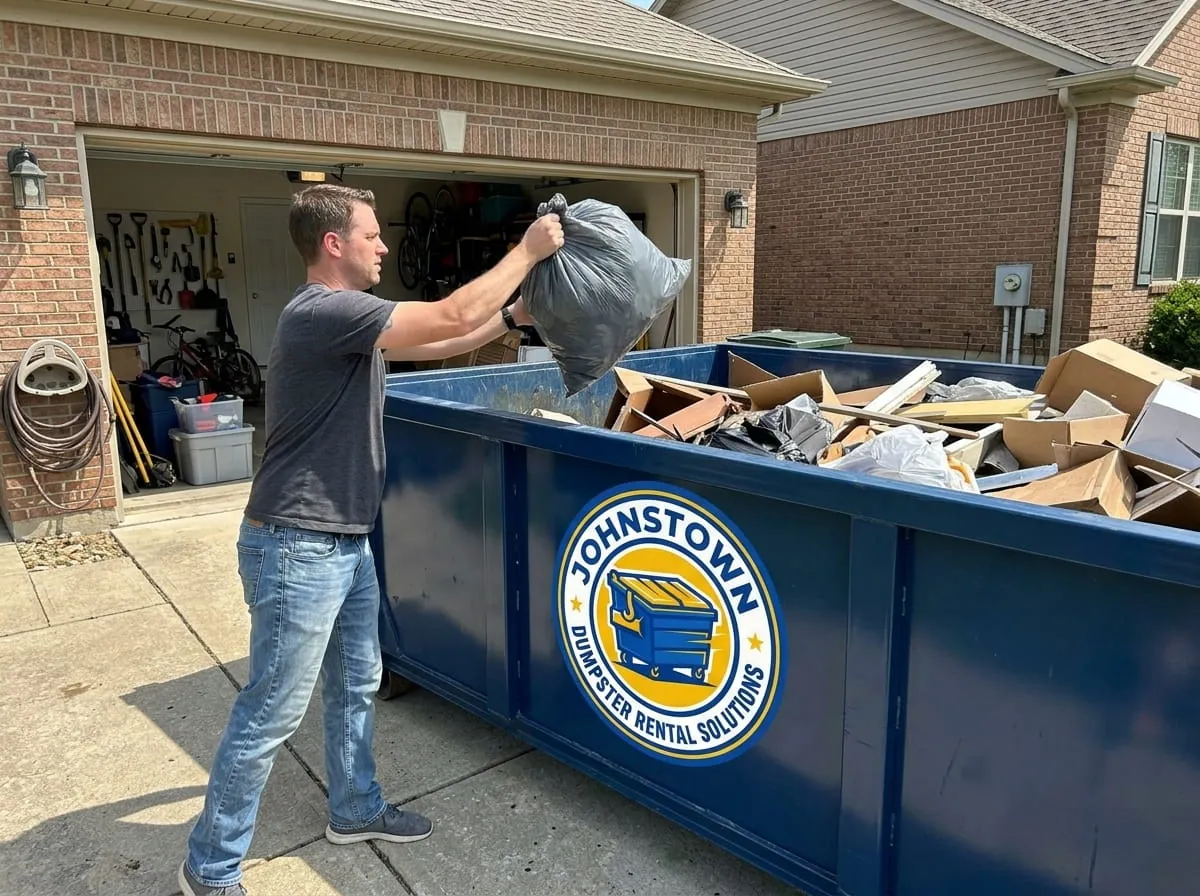
A whole-house cleanout can feel overwhelming when you're staring at decades of belongings, but it becomes manageable the moment you break it into rooms and work a plan. Here in Johnstown, our homes tell a story: sturdy brick foursquares and steel-town family houses that have sheltered two, three, sometimes four generations. That history is wonderful, and it also means basements packed to the joists, attics full of boxes nobody has opened since the mills were running, and garages that became catch-alls somewhere around 1985. This room-by-room checklist gives you a working order of operations, clear keep/donate/toss rules, and honest guidance on the equipment you'll need to finish the job.
Whether you're clearing out after a move, preparing a home for sale, downsizing a parent's house, or simply reclaiming your living space, the method is the same. Go room by room, make decisions once, and get the discards out of the house quickly so momentum never stalls. Let's walk through it.
Before You Start: Set Up for Success
The single biggest predictor of a smooth cleanout is preparation. Before you touch a single closet, gather your supplies and set up a sorting system so every item has an immediate destination.
- Three-pile method: Designate physical zones for KEEP, DONATE, and TOSS. Add a fourth "SELL/UNSURE" box if you tend to second-guess, but empty it within 48 hours so it doesn't become permanent.
- Supplies: Heavy contractor bags, packing tape, a marker, work gloves, a box cutter, a hand truck or dolly, and a headlamp for dim attics and basements.
- Container plan: For anything beyond a single room, you'll want a roll-off dumpster in the driveway so trash leaves the house in one motion instead of piling up by the back door. More on sizing below.
- Timing: In Johnstown, spring through fall is ideal. Snowy-season cleanouts are doable, but icy driveways and steep hillside access make heavy hauling risky, and a snowed-in dumpster is hard to load. If you must work in winter, keep a clear, salted path from door to container.
Work top to bottom and easy to hard. Start with a room that gives you a quick, visible win, then tackle the heavy hitters (basement, attic, garage) once your decision-making muscles are warmed up.
Kitchen
Kitchens hide more clutter than any room in the house because everything is behind a cabinet door. Pull it all out onto the counter and be ruthless.
- Keep: The pots, pans, and small appliances you actually used in the last year. One set of everyday dishes and one nicer set is plenty for most families.
- Donate: Duplicate gadgets, spare mugs, extra bakeware, and unopened non-perishable food (local food pantries welcome it).
- Toss: Scratched nonstick pans, cracked plastic storage, expired pantry items, and anything sticky or rusted beyond cleaning.
Check expiration dates on spices and canned goods, wipe down the shelves as you empty them, and don't forget the "junk drawer" and the cabinet above the fridge where forgotten items go to hibernate.
Living Room and Common Areas
These rooms accumulate soft clutter: magazines, tangled electronics, throw pillows, and media nobody plays anymore.
- Keep: Furniture in good shape, current-year paperwork, and photos or keepsakes (set keepsakes aside in one dedicated bin to sort later so you don't get emotionally stuck mid-cleanout).
- Donate: Books, DVDs, board games, and lamps or side tables you're replacing. Gently used furniture in good condition is highly wanted.
- Toss: Broken remotes, dead batteries, frayed cords, worn-out throw pillows, and outdated tech (recycle electronics rather than landfilling where you can).
Bedrooms and Closets
Closets are where the "someday I'll fit into this again" items live. Apply a simple test: if you haven't worn it in a year and it isn't seasonal or sentimental, it goes.
- Keep: Clothes you wear, bedding in good condition, and one memory box per person.
- Donate: Clean, wearable clothing, shoes, coats, and linens. Western PA winters are hard on families in need, so coats and blankets are especially valued at local charities.
- Toss: Stained, torn, or mismatched textiles, worn-out shoes, and old pillows and mattresses that can't be donated.
Bathrooms
Bathrooms are quick wins. Most of what's under the sink and in the medicine cabinet is expired or nearly empty.
- Keep: Current medications, unopened toiletries, and towels in good shape.
- Donate: Unopened, unexpired hygiene products and extra towels (animal shelters often take old towels too).
- Toss: Expired medicine (dispose of it safely, not down the drain), old cosmetics, empty bottles, and threadbare towels.
Attic
The attic is where Johnstown homes hold their history: holiday decorations, kids' schoolwork, boxes labeled in a grandparent's handwriting. Bring a headlamp and a helper, because attic footing and heat make it a two-person job.
- Keep: Genuine heirlooms, important documents, and decorations you use every year.
- Donate: Extra holiday decor, old furniture stored "just in case," and usable household goods.
- Toss: Water-damaged or mold-spotted boxes, insulation debris, and anything the mice have gotten into. If cardboard has been up there for decades, assume it's brittle and plan to bag contents on the spot.
Basement
This is the big one in Johnstown. Our older brick homes have deep basements, and many of them carry a history of flooding and moisture, from the region's rivers to routine heavy storms. That damp history means basement storage often didn't survive as well as families hoped.
- Keep: Tools you use, canning and hobby gear in good shape, and anything stored in sealed, dry containers.
- Donate: Working appliances, extra furniture, and sports or exercise equipment.
- Toss: Water-stained cardboard, rusted metal, mildewed fabric and upholstery, warped particleboard furniture, and old paint or chemicals (these need proper household hazardous-waste disposal, not the dumpster).
A word of caution: if you see mold or smell mildew, wear an N95 mask and gloves. Basement cleanouts move faster when you've got a container right outside, but remember those steep steps and hillside lots common around town. Plan your path out, use a hand truck, and take heavy items down the stairs with a partner, never alone.
Garage
Garages collect the overflow from every other room plus a layer of automotive and yard clutter on top. Empty it in sections, sweep as you go, and be honest about the "I'll fix it someday" pile.
- Keep: Working tools, current lawn and snow equipment (you'll want that snowblower ready), and organized hardware.
- Donate: Duplicate tools, usable bikes, and sporting goods.
- Toss: Dried-out paint, dead batteries, broken tools, scrap lumber, and tires (many facilities take tires separately). Motor oil, antifreeze, and pesticides go to hazardous-waste collection, never the roll-off.
Porch, Yard, and Exterior
Finish outside. Broken patio furniture, rotted planters, old grills, and yard debris pile up fast and are heavy, so having the dumpster still on site for this final sweep saves a second haul.
- Keep: Seasonal furniture in good condition and tools you use.
- Donate: Usable grills, planters, and outdoor decor.
- Toss: Rusted furniture, cracked pots, rotted wood, and general yard debris.
What Size Dumpster for a Full-House Cleanout?
Sizing is where people either overpay for space they don't fill or, more often, run out of room halfway through the basement. Here's a realistic guide for Johnstown homes.
| Dumpster Size | Best For | Rough Capacity |
|---|---|---|
| 10-yard | One or two rooms, a light garage | ~3 pickup loads |
| 15-yard | A partial cleanout or a packed single level | ~4-5 pickup loads |
| 20-yard | Most full-house cleanouts, incl. furniture | ~6-8 pickup loads |
| 30-yard | Large homes, heavy basements and attics combined | ~9-12 pickup loads |
For a typical steel-town family home with a full basement and attic, the 20-yard dumpster is the sweet spot. It swallows furniture and bulky items without the higher cost of a 30-yard, and it still fits on most driveways, which matters on our narrow hillside lots. If you're not sure, our guide on what size dumpster you need walks through the math, or you can just call us and describe the home. We size these every day.
Sorting Donations vs. Landfill in Western PA
Keeping usable items out of the landfill is good for the community and reduces what you actually have to haul. Johnstown and the surrounding Cambria County area have solid donation options:
- Goodwill takes clothing, housewares, small appliances, and furniture in good condition.
- St. Vincent de Paul accepts furniture, clothing, and household goods, and often helps local families directly.
- Salvation Army takes furniture, clothing, and working appliances, and offers pickup for larger items in many cases.
A quick rule: if it's clean, safe, and someone would reasonably use it, donate it. If it's broken, stained, water-damaged, or unsafe, it belongs in the roll-off. Sorting as you go, rather than making a second pass, is the biggest time-saver in any cleanout.
Heavy Furniture and Appliances
The hardest part of any full-house cleanout is the big, heavy stuff, and it's exactly where injuries happen on steep Johnstown steps. A few ground rules:
- Use a hand truck and a partner for anything over 50 pounds. Never carry a couch or fridge down basement stairs solo.
- Refrigerators, freezers, and air conditioners contain refrigerant and often require special handling. Ask before you toss them in the container.
- Break down large furniture where you can. A disassembled dresser or bed frame fills a dumpster far more efficiently than a whole one.
- If the muscle work is more than your crew can handle, our junk removal service can do the heavy lifting for you, and for downsizing a loved one's home, our estate cleanout service handles the whole process with care. Our estate cleanout checklist is a helpful companion read.
Putting It All Together
Work the rooms in order, get the discards out of the house the same day you sort them, and let a right-sized dumpster in the driveway carry the weight so you can focus on decisions instead of trips to the transfer station. Take breaks, hydrate, and celebrate each finished room. A full-house cleanout that felt impossible on day one is genuinely doable in a weekend or two with a plan and the right container.
Ready to get started? Johnstown Dumpster Rental Solutions delivers the right-sized roll-off to your driveway, works around our steep lots and snowy seasons, and picks it up when you're done. Explore our full range of services, reach out through our contact page, or just call us at (814) 809-7504 and we'll help you plan the whole cleanout from delivery to final haul.

Owner, Johnstown Dumpster Rental Solutions — sharing straight advice from years of local hauling across Johnstown and Cambria County.
Frequently Asked Questions
What size dumpster do I need for a full-house cleanout in Johnstown?
For most Johnstown family homes with a full basement and attic, a 20-yard dumpster is the sweet spot. It holds furniture and bulky items, fits on narrow hillside driveways, and costs less than a 30-yard. Larger homes with heavy basements and attics combined may need a 30-yard. If you're unsure, call (814) 809-7504 and describe the home; we size these every day.
In what order should I clean out my house?
Work top to bottom and easy to hard. Start with a quick-win room like a bathroom or kitchen to build momentum, then move through living areas, bedrooms, and closets before tackling the heavy hitters: attic, basement, and garage. Finish outside with the porch and yard. Get discards out of the house the same day you sort them so momentum never stalls.
What can't go in the dumpster during a cleanout?
Household hazardous waste stays out of the roll-off: old paint, motor oil, antifreeze, pesticides, and most chemicals, which go to hazardous-waste collection. Refrigerators, freezers, and air conditioners contain refrigerant and need special handling, so ask first. Tires and electronics are often handled separately. Everything else, from broken furniture to water-damaged basement items, is fair game.
Where can I donate usable items in the Johnstown area?
Western PA has solid options. Goodwill takes clothing, housewares, and small appliances; St. Vincent de Paul accepts furniture, clothing, and household goods and often helps local families directly; and the Salvation Army takes furniture, clothing, and working appliances, sometimes with pickup. A simple rule: if it's clean, safe, and usable, donate it; if it's broken, stained, or water-damaged, it belongs in the dumpster.
How do I handle a damp or flood-prone basement cleanout?
Many older Johnstown brick homes have deep basements with a history of moisture, so expect water-stained cardboard, mildewed fabric, and rusted or warped items that didn't survive storage. Wear an N95 mask and gloves if you see mold or smell mildew, and toss anything water-damaged rather than trying to salvage it. Use a hand truck and a partner for heavy items on steep steps, and keep the dumpster right outside for a fast, safe exit path.